
XERF vs Thermage: What Is XERF and How Does It Compare?
XERF by Cynosure Lutronic combines two radiofrequency settings. Thermage uses a long-established monopolar RF approach. Learn what differs—and what clinical evidence can and cannot tell us.
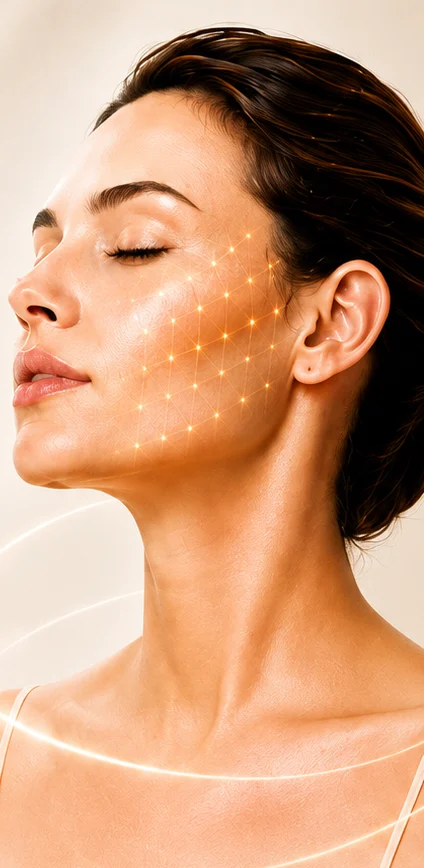
Quick answer: XERF is a non-invasive monopolar radiofrequency (RF) system from Cynosure Lutronic that combines 6.78 MHz and 2 MHz energy delivery. Thermage is another monopolar RF technology; the Thermage FLX system uses 6.78 MHz. Both are discussed for collagen remodelling and firmer-looking skin, but they are different devices, and a higher or lower frequency alone does not establish a better clinical result.
If you are searching for XERF in Toronto or Markham, the useful question is not simply which machine is newer. It is which treatment is appropriate for your skin, concern, health history and expectations. This is an educational comparison; it does not state that XERF is offered at Cosmetic4all.
XERF vs Thermage at a glance
| Feature | XERF (Cynosure Lutronic) | Thermage (Solta Medical) |
|---|---|---|
| Type | Non-invasive monopolar radiofrequency | Non-invasive monopolar radiofrequency |
| RF frequencies | 6.78 MHz and 2 MHz | 6.78 MHz in Thermage FLX |
| Energy approach | Dual-frequency modes and selectable treatment settings | Single-frequency RF; features vary by generation and tip |
| Comfort features | Integrated cryogen cooling and impedance feedback | FLX: cooling, vibration and AccuREP impedance feedback |
| Evidence | Promising but comparatively newer human clinical literature | Longer-established platform and broader historical clinical experience |
| Best for everyone? | No—requires individual assessment | No—requires individual assessment |
Technical specifications refer to XERF and Thermage FLX. Thermage CPT and older generations are not identical to FLX. Device availability and regulatory indications depend on location.
What is XERF and how does it work?
XERF is made by Cynosure Lutronic. It delivers monopolar RF energy through a skin-contact applicator. The system combines 6.78 MHz and 2 MHz frequencies and offers selectable settings intended to change the pattern of heating across tissue depths. A cooling system helps protect the skin surface while heat is delivered below it. The manufacturer calls this approach Structural Skin Tightening.
Controlled RF heating can affect collagen-containing tissue and stimulate remodelling. However, marketing terms such as “deepest lift” or “pain-free” should not be interpreted as guaranteed outcomes for an individual patient. Heat distribution depends on the actual settings, tip, contact, tissue characteristics and technique. See the manufacturer's XERF overview.
How is XERF different from Thermage?
Thermage is a well-established RF platform used for non-surgical skin tightening and wrinkle treatments. The current FLX generation uses 6.78 MHz energy with cooling, vibration and AccuREP feedback to adjust energy delivery. Older Thermage platforms, including CPT, can differ in their tips and comfort features.
The clearest engineering distinction is XERF's addition of a 2 MHz setting alongside 6.78 MHz. This allows different energy-delivery profiles, but it does not prove that XERF consistently lifts more, lasts longer or is safer than Thermage. Direct, adequately powered head-to-head clinical trials would be needed for a confident winner.
For patients comparing alternatives, our Skin Lifting & Tightening Program explains how treatment choice can be based on the area and goals rather than a device name alone.
Does XERF hurt less than Thermage?
Both technologies involve controlled heating, which can be felt as warmth, pressure, tingling or discomfort. XERF is promoted by its manufacturer as a treatment that may not require numbing, while Thermage FLX uses vibration and cooling as comfort aids. Neither claim means everyone will be comfortable or that treatment is painless.
In a small 2026 retrospective study of 16 women receiving a single XERF session, the average reported pain score was approximately 4.3 out of 10, with considerable individual variation. That study did not directly compare XERF with Thermage. Discuss pain management, treatment area and your personal risk factors before either procedure.
What does the research say about XERF?
Preclinical research published in 2024 described collagen-related tissue changes after dual-frequency RF in a porcine model. More recent human studies report encouraging short-term improvements in facial laxity or skin quality, but study sizes, designs and follow-up periods limit how confidently results can be generalized. A 2026 retrospective XERF study included only 16 women and followed them for three months.
The broader RF literature supports the potential for aesthetic improvement, while also noting inconsistent protocols and limitations in the quality of the evidence. At present, the evidence does not establish that XERF is clinically superior to Thermage. Expectations should be individualized; neither technology replaces surgery for substantial skin laxity.
What about safety, downtime and regulatory status?
Many patients return to regular activity quickly after non-invasive RF treatment. Temporary redness, swelling, tenderness or altered sensation can occur. Less common complications from thermal procedures may include burns, pigmentation changes or changes in tissue contour. A proper consultation reviews implanted electronic devices, pregnancy or breastfeeding, active skin problems, previous fillers and procedures, medications, and concerns about healing or sensation.
XERF received a US FDA 510(k) clearance (K251327) for dermatologic and general surgical electrocoagulation and hemostasis. This is not the same as FDA approval of a claim that it outperforms Thermage for cosmetic lifting. Thermage FLX has its own device indications, including non-invasive wrinkle treatment. In Canada, the relevant device licence and authorized intended use should be checked for the exact model before treatment is offered.
Which treatment should someone in Markham choose?
The best choice depends on whether the goal is improving fine wrinkles, mild laxity, jawline definition, neck appearance or another concern; and on skin thickness, previous procedures, medical history, budget and tolerance for treatment. Some people may be better suited to Ultherapy, other RF methods or no procedure at all.
Cosmetic4all offers consultations about appropriate skin-tightening options; this XERF article is informational and does not advertise XERF appointments. If you are comparing XERF with Thermage, ask which device model is actually available and what evidence supports the proposed treatment plan.
Frequently asked questions
What company makes XERF?
XERF is a monopolar radiofrequency device made by Cynosure Lutronic.
What is the main difference between XERF and Thermage?
XERF combines 6.78 MHz and 2 MHz RF energy. Thermage FLX uses 6.78 MHz monopolar RF. Their cooling, feedback and treatment controls also differ.
Is XERF better than Thermage FLX?
There is not enough direct comparative human evidence to conclude that either device is consistently more effective or safer. Suitability and outcome vary by patient and protocol.
Is XERF completely painless?
No. Cooling and treatment settings can affect comfort, but discomfort is possible and varies between individuals.
Does Cosmetic4all offer XERF?
This is an educational technology comparison, not an advertisement for XERF appointments. Contact the clinic to confirm which treatments and device models are currently available.
Sources and further reading
- Cynosure Lutronic: XERF product information.
- US FDA: XERF 510(k) summary and indications (K251327).
- Solta Medical: Thermage FLX overview and safety information.
- Erlich and Dahan (2026): retrospective clinical XERF study.
- Hong et al. (2024): dual-frequency RF histological evidence.
Last reviewed: 17 November 2026. Educational information only. The devices have different regulatory indications; individual assessment, the licensed device model and professional judgment determine appropriate treatment. Results and adverse effects vary.
Understand your options before you decide.
We can review your goals and discuss appropriate skin-tightening technologies for your needs.