Fotona 4D for the face: what the four steps contribute
Begin with the fold, line or texture you want to change
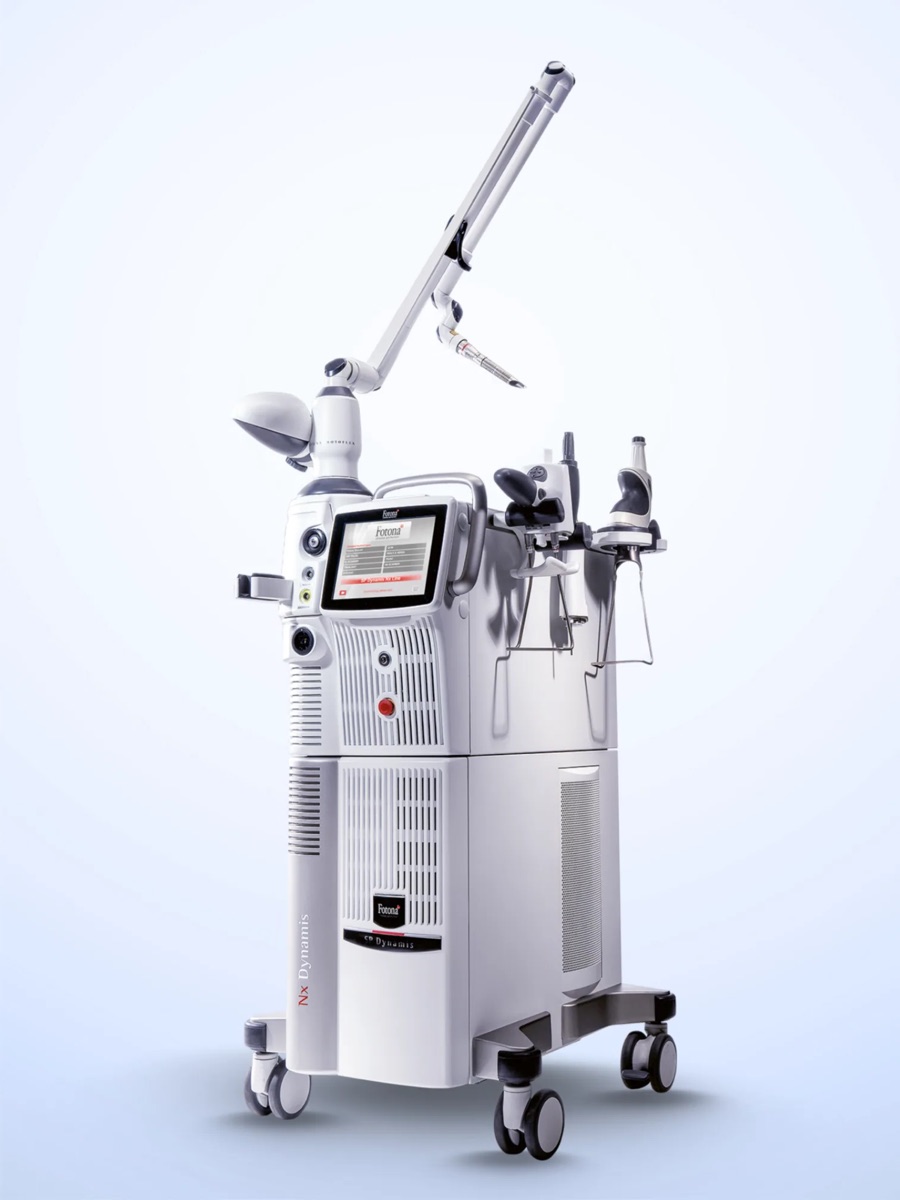
When people ask about a nonsurgical facelift, they often mean different things. One person can see a crease beside the mouth even when their face is relaxed. Another has fine lines along the upper lip that catch lipstick. A third wants the lower cheek to sit where it did ten years ago. These are separate goals. Fotona 4D combines laser treatments inside the mouth and on the skin surface. A consultation should identify which part of the plan could affect the particular feature that matters to you, and how much change is realistic.
Try describing what you see before choosing a device. Does the feature appear only when you smile, or does it remain when your face rests? Can you feel a depression with a fingertip, or is it a change in colour? Is the main issue lax skin, missing volume or texture near the surface? A laser can influence selected tissue characteristics as the area heals. It cannot physically replace volume, remove excess skin or reposition deeper facial structures in the same way as an operation. Sometimes a narrower treatment goal is easier to meet and assess.
Why a facial treatment starts inside the mouth
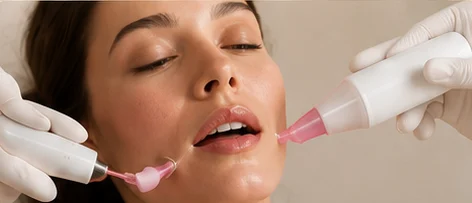
SmoothLiftin is the name Fotona gives the intraoral step. The clinician directs an erbium laser at selected areas of the lining inside the mouth. This is a different exposure from peeling the outside surface of the cheeks. Before agreeing, ask where the handpiece will be used, how your lips and cheeks will be positioned and what sensations you should report. If it is difficult to keep your mouth open comfortably, say so. The clinician can discuss positioning, breaks and whether this part of the procedure is suitable for you.
Mention any mouth sore, active cold sore, recent dental work or persistent unexplained discomfort before the visit. A cosmetic appointment is a poor place to discover that an untreated dental or oral problem needs attention. If you have a particular line near your mouth in mind, show the clinician exactly where it begins and ends. Ask what the intraoral step is intended to contribute and how they would judge an effect separately from the outside steps. A deep fold can have several causes even when it looks like a single line in the mirror.
What the three external steps add
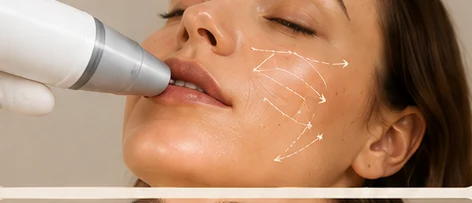
Fotona describes two external Nd:YAG laser stages, called FRAC3 and PIANO. They use the same wavelength in different ways to produce thermal effects. The final stage, called SupErficial, uses erbium laser energy for light surface resurfacing. These are distinct parts of the manufacturer's protocol. Ask whether all four are proposed in your case and whether any stage will be modified or omitted. The answer affects expectations, recovery and how fairly you can compare two packages that both use the name Fotona 4D.
The superficial finishing stage is especially relevant if you cannot accommodate peeling or visible skin changes. Someone attending an outdoor event soon after treatment needs a practical plan for sun exposure and recovery. Someone primarily interested in a deep acne scar should ask whether a focused scar treatment would better match that problem. A light polishing stage is a different procedure from a dedicated course of fractional resurfacing. The clinic's Fotona resurfacing guide explains how the depth and area of a surface treatment affect the decision.
What researchers have actually examined
One published study used a combined four-step laser protocol and examined both the clinical appearance of the face and tissue changes under the microscope. Tissue samples can show that a treatment has a biological effect. They cannot tell you what proportion of patients will be happy with their jawline or whether a particular fold will look different across a dinner table. When a treatment is described as stimulating collagen, ask how that finding translates into a visible result for someone with your starting appearance.
A separate prospective imaging study followed thirteen women with changes in the lower face through a series of dual-wavelength treatments. Three-dimensional measurements can document contour more consistently than casual phone photographs. A small observational group still gives limited information about people of different ages, skin tones, anatomy or medical histories. It also cannot establish how four steps compare with every alternative. If a clinic photograph interests you, ask whether it shows 4D alone, how long after the series it was taken and whether expression and lighting were kept similar.
Deciding whether the recovery and risk fit your plans
Give the provider a list of medicines, skin products and previous procedures, including injectables and laser sessions. Tell them how you usually heal and whether inflammation leaves dark or pale marks. Mention a history of herpes outbreaks, an active skin condition or any earlier problem after laser treatment. These details can alter timing, the choice of procedure or the need for medical review. Do not interrupt a prescribed medicine to prepare for an appointment without asking the person who prescribed it.
Ask for separate aftercare instructions for your mouth and the external skin. The outer treatment may cause redness, swelling, flaking or sensitivity, with recovery influenced by how much resurfacing was performed. Burns, infection, pigment changes and scarring are possible complications of laser resurfacing. Before leaving, find out how to contact the treating team and which symptoms merit an examination. Escalating pain, blistering, spreading redness or a new cluster of sores should prompt medical advice. Avoid adding an exfoliant or active cosmetic product until the clinician advises it is appropriate.
Think about recovery in terms of what you need to do the next day. Working by video from home, speaking to clients all afternoon and spending the day outside each place different demands on comfort and appearance. Describe your actual routine and ask whether the external finishing step fits it. If you decide to postpone that step, have the revised plan recorded so that you know what was performed and what to compare when you return. This also helps if another clinician later asks about your laser history.
How to review a series without losing sight of your goal
Choose one feature and a repeatable view before treatment. If your concern is a fold near the mouth, photograph the same side at rest and with the same gentle smile. Keep camera height and lighting consistent. A close view can show surface texture, while a whole-face view tells you whether the difference is noticeable at an ordinary distance. Taking both makes it easier to explain what did and did not improve once swelling is gone. Ask when the clinician recommends that comparison for the particular plan.
Request a written estimate describing the stages included, the number of visits proposed and when the plan can be reconsidered. Find out what happens if you prefer to stop after an initial treatment. Your reasons for stopping might include limited benefit, difficulty fitting recovery around work or simply feeling satisfied with a modest result. If your main concern has changed, discuss it afresh. For a broader comparison of what the laser system can do, review the Fotona platform page before booking a facial treatment consultation.