The Fotona SP Dynamis platform: which laser treatment are you being offered?
One platform can describe several different appointments
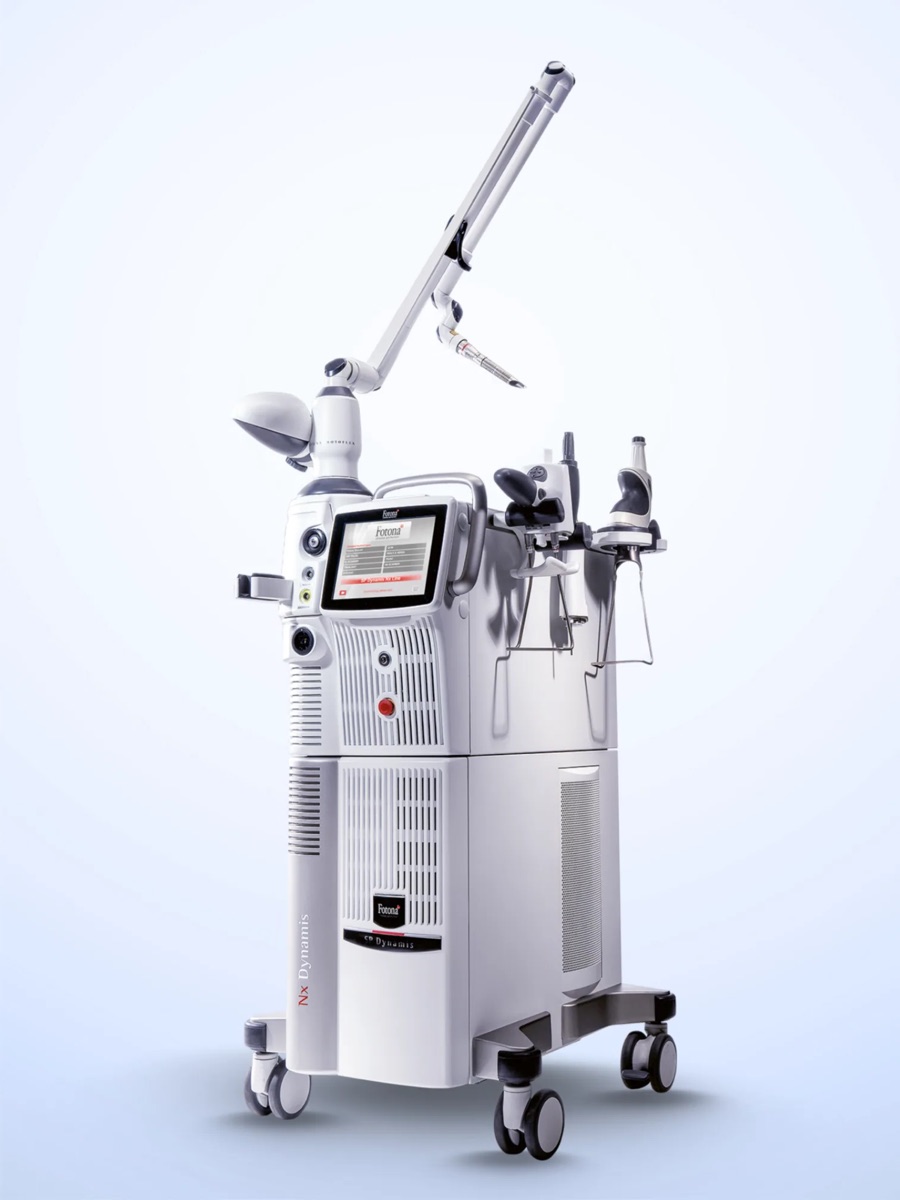
Imagine receiving two estimates, both headed Fotona laser. One describes a light facial surface treatment before a break from work. The other includes treatment inside the mouth and several external stages. These could be quite different appointments even though the equipment carries the same manufacturer's name. At Cosmetic4all in Markham, the site identifies the platform as the Fotona SP Dynamis. A useful plan goes one step further by naming the treatment, the area and the reason it fits the particular change you want to see.
Begin by describing the concern in your own words. A rough patch that catches foundation, a narrow depression left by acne and a fold beside the mouth can all appear darker in a picture. The dark appearance alone does not reveal whether pigment, a shadow or both are responsible. A clinician can look at your skin under more than one light and with the face at rest and moving. If there is a new or changing lesion, ask for medical assessment before discussing a cosmetic laser.
The two wavelengths and the questions they answer
The SP Dynamis houses an erbium laser, Er:YAG, and a neodymium laser, Nd:YAG. The erbium wavelength is 2,940 nanometres and is strongly absorbed by water. It can remove tissue at the surface in resurfacing procedures. The neodymium wavelength is 1,064 nanometres and can be used to produce thermal effects below the surface. Those numbers describe the light, not a prescription for your skin. The handpiece, treatment pattern and intended effect help determine what is actually proposed for a particular appointment.
Ask the clinician to point to the part of the plan that addresses your main concern. For example, if your goal is to soften the visible edge of a shallow scar, ask how the surface treatment is expected to change that edge. If the goal is improvement in the appearance of a fold, ask whether the plan includes an intraoral component and what evidence supports it. A provider should be able to describe the intended change without expecting you to remember the wavelength or the names of every operating mode.
Choosing between a focused treatment and a combined approach
An erbium resurfacing visit can focus on the texture of a defined area. The clinician can discuss a fractional pattern, which leaves skin between the treatment zones, or a more continuous surface treatment. Coverage and depth affect healing. A small treatment site may still require careful wound care, particularly if it sits where a mask or clothing rubs. Ask how long you should expect the area to look visibly treated and what support you will have if healing takes longer than expected.
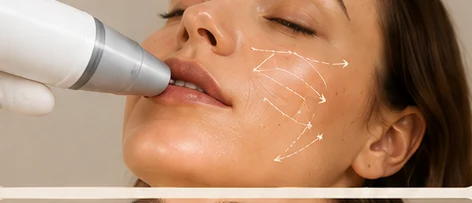
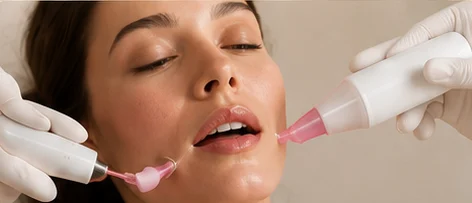
Fotona 4D brings several stages into one named facial approach. It includes an intraoral erbium stage, external Nd:YAG stages and a superficial finishing stage. A combined approach may be worth discussing when more than one feature matters, but each extra component should have a purpose. If the concern is limited to a few acne scars, a broader procedure may add cost or recovery without addressing their specific shape. The 4D patient guide explains what to ask about each stage, while the resurfacing guide focuses on surface texture and scarring.
Read the evidence at the level of the procedure
A published comparison of fractional erbium resurfacing and microneedling investigated depressed acne scars. A separate study of combined ablative and non-ablative laser treatment looked at facial appearance and changes within the skin. These are different research questions. Evidence about scars cannot be applied automatically to a claim about lifting the lower face. Likewise, evidence that tissue changes under a microscope cannot tell you precisely how a line will look in the mirror. Ask whether the study being discussed involved similar patients, the same indication and a comparable treatment approach.
Before-and-after photographs also need context. If an example shows a person who had several procedures, you cannot tell what proportion of the change came from the laser alone. A face that looks smoother under diffuse studio lighting may still show texture under a ceiling light. Ask how long after the procedure the photograph was taken and whether the person is using the same expression. If the example is a close-up of a scar, also consider what the change looks like from the distance at which you normally see your face.
Prepare a skin and treatment history
Write down treatments in the intended area, including resurfacing, peels, injections, surgery and any unexpected reactions. Note approximately when you had them and whether a reaction lasted days or months. Bring a list of medications and active skin products. Mention cold sores, unusual scarring, immune suppression, recent tanning and any problem with healing. The clinician can decide whether an examination, a change of timing or a different approach is appropriate. A medication change should be discussed with the person who prescribes it.
Your experience of pigmentation is especially informative. If a pimple or scrape routinely leaves a dark mark for months, explain this in the consultation. Both darkening and lightening can follow laser treatment. Skin tone, treatment depth and the condition being treated all matter. Ask about the risk to your skin and about alternatives if pigment change would be particularly difficult for you. A platform's versatility does not remove the need for eye protection, careful selection and specific aftercare for the treatment actually performed.
If someone calls two sessions the same treatment, ask what they have in common. They may use the same platform while targeting different structures or treating different amounts of skin. It is perfectly reasonable for the clinician to change the plan after examining you, but you should know what changed before agreeing to it. Keep the procedure name and treatment area with your aftercare information. This makes future comparisons easier and helps another provider understand any reaction you experienced.
What you should be able to explain before booking
Try summarizing the proposed treatment in one sentence. Include the feature being treated, the area, whether the skin surface will be disrupted and the expected time away from your usual routine. If any part is unclear, ask for a written explanation. Someone who has only a weekend available may reach a different decision from someone who can manage a longer recovery. If the surface will be treated, clarify when to cleanse, apply makeup or restart active skin products and when increasing pain or blisters should prompt a call.
At follow-up, compare the feature you agreed to track rather than judging every aspect of facial appearance at once. Ask whether any further appointment is likely to improve that feature, what the alternatives are and when stopping makes sense. Keeping a record of the actual procedure and your reaction is valuable even if you never have another session. It gives a future clinician more information than the word Fotona on its own. You can start with the clinic's consultation page and bring a photograph that clearly shows what you would like to discuss.
Sources and further reading
- Fotona — SP Dynamis platform and wavelengths
- Fotona — Four stages of the Fotona4D treatment
- Fractional erbium laser versus microneedling for atrophic acne scars — randomized split-face study
- Tissue and clinical changes after combined ablative and non-ablative laser therapy
- Mayo Clinic — Laser resurfacing, preparation and recovery