Fotona skin resurfacing: matching an erbium laser treatment to the skin change you see
Start with the surface you want to change
A cheek with a shallow acne scar can look almost smooth when light falls straight on it. Turn toward a window and the edge of the scar may cast a shadow. A flat brown mark behaves differently, even if it occupies the same spot. Laser resurfacing is often discussed for fine lines, uneven surface texture and selected scars. The first question is which feature you want to improve. Show it in ordinary light and explain whether the colour, the depression or the way makeup sits over it bothers you most.
A single area can have several concerns. For example, someone may have active acne, dark marks left by earlier breakouts and older depressions in the same cheek. Each is a different treatment target. An active eruption or an unexplained lesion should be assessed before an elective resurfacing procedure. A clinician may recommend controlling breakouts first so that new scars do not keep forming. If you have a spot that is changing, bleeding or slow to heal, draw attention to it specifically so that it can be evaluated on its own merits.
What the Fotona name tells you about the laser
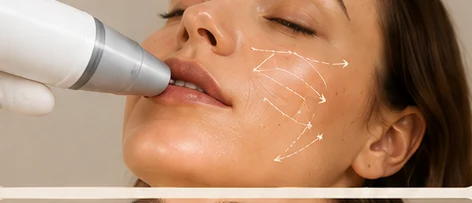
Fotona makes platforms that can deliver different wavelengths and treatment patterns. Its SP Dynamis combines an erbium laser, commonly written Er:YAG, with Nd:YAG. In ablative erbium resurfacing, light at 2,940 nanometres is absorbed strongly by water in tissue, allowing a thin layer at the surface to be removed. Hearing the platform name alone does not tell you how much surface will be treated. Ask which wavelength, coverage and type of resurfacing are being proposed, and why that choice suits your goal and available recovery time.
Fractional treatment creates many small treatment zones separated by intervening skin. Full-field resurfacing treats a more continuous area. Depth matters in both approaches, so the word fractional does not automatically mean that you will feel ready for public-facing work the following day. Likewise, two procedures sold as an erbium peel can have very different recovery requirements. Ask your clinician to describe what your skin is likely to look and feel like during the first days and when you can realistically return to makeup, outdoor work or exercise.
How scars and fine lines respond
A shallow depression, a narrow deep pit and a broad rolling scar can cast similar shadows in an enlarged phone photograph. During an examination, a clinician can look at their shape from more than one angle and assess how the skin moves. Surface resurfacing may soften some scar edges. A deeper or tethered scar can still create a shadow after the surrounding surface improves. Asking which scars are least likely to respond is a good way to understand the limits of the proposed plan before choosing a course of treatment.
Randomized clinical studies have compared fractional erbium laser with microneedling and with other laser approaches for atrophic acne scars. A split-face study treats the two sides of the same person's face differently, which helps account for individual differences in healing. A trial in acne scarring cannot tell you exactly how a fine line around the mouth or a patch on the neck will respond. When you review an example photograph, ask whether the skin condition, scar shape and treatment approach resemble yours and how long after healing the result was photographed.
Skin colour and medical history affect planning
Tell the clinician what happens to your skin after acne, a scratch or a previous procedure. Marks that darken and stay visible for months are relevant even if you have never had a laser treatment. Pigment can become darker or lighter after resurfacing, and some changes can persist. A recent tan and upcoming sun exposure also matter. Someone who works outside or is travelling soon may need a different date. Ask what practical steps you can take to protect healing skin during your actual workday and commute.
Mention any history of cold sores, unusual scars, delayed wound healing, immune suppression, recent procedures and medicines including isotretinoin. A history of cold sores can affect whether preventive antiviral medicine is appropriate. Do not stop a prescribed medicine on your own to qualify for treatment. If you use a retinoid, exfoliating acid or acne treatment, bring the product name so you can get specific instructions about when to pause and restart it. Eye protection is part of the procedure, and treatment close to the eyes deserves a separate discussion about safety.
Preparing for the first week
Ask for written aftercare that matches the depth and coverage actually planned. The skin may be swollen, tender, pink or darker than usual, and ablative treatment can leave a surface that oozes or crusts as it heals. Clarify how to cleanse the area, which product to apply, when cosmetics can be used again and who can be contacted after hours. Buy the recommended supplies ahead of time. Someone who needs to wear a tight mask or protective equipment at work should raise that point before setting a date.
Normal healing should follow the course described by the treating clinician. Increasing pain, spreading redness, pus, fever, or a new cluster of blisters warrants prompt medical advice. A photograph can help document when a change began, but a worsening problem may require an examination. Resist the temptation to peel away crusts or apply several unfamiliar products in an effort to heal faster. If a product stings or produces a rash, tell the clinician exactly what you used and when instead of trying to correct the reaction with another active ingredient.
Decide when the outcome is ready to judge
A few days after treatment, swelling can temporarily fill a depression and make the surface appear smoother. Later, colour changes may draw attention away from a genuine improvement in texture. Choose one view and one question to compare over time. For a cheek scar, photographs taken with the same side lighting can show whether its edge is softer. For fine lines, compare the same expression at rest. Ask when the clinician expects the surface to have healed and when it makes sense to evaluate longer-term change.
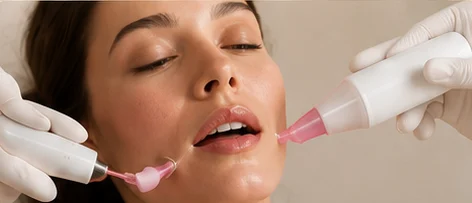
Resurfacing is one use of the Fotona platform. The clinic's Fotona 4D page describes a different, multi-step approach. If you are choosing between them, bring the photograph that best shows your concern, the date of any upcoming event and the amount of recovery time you can manage. Ask which part of the proposed procedure is likely to help, what would remain visible and what a less intensive option could achieve. That conversation is more informative than choosing a treatment by its name or the number of sessions in a package.