
Acne scars: deciding which marks to treat first
A coloured mark and a scar need different plans
After a blemish settles, it can leave a red, purple or brown patch in exactly the place where the inflammation was strongest. If the area is flat when viewed from the side, colour may be the main issue. An indented scar changes the contour; its shadow moves as the light changes. Some spots have both features. Look at a cheek in even light and then near a window with the light coming from one side. Bring both views to a consultation if they help you explain what you see.
Treating the wrong feature can leave you disappointed even if the procedure does something measurable. Lightening a flat mark may make the complexion look more even, but it will not release a depression. Softening a scar edge may improve the shadow without changing a brown mark beside it. Ask the clinician to identify a few representative areas and explain what is causing each visible change. If a raised or changing lesion does not fit the expected appearance of an acne scar, have it medically assessed before treating it cosmetically.
Why the shape of a depression matters
Clinicians often distinguish narrow, deep ice-pick scars from boxcar scars with relatively distinct edges and rolling scars with a broader, sloping outline. These terms describe shapes, and a single cheek may contain all three. Some depressions remain tethered to deeper tissue. Others look prominent because light strikes a sharp edge. A careful examination includes looking under different lighting and observing how the surface moves. You do not have to classify the scars yourself. Knowing which shapes dominate helps you ask why a treatment has been recommended.
Picture a few deep pits on the temples and a wider area of shallow uneven texture on the cheeks. A procedure applied across the cheeks may improve the overall surface yet make very little difference to the pits. A dermatologist might discuss treating particular scars individually and using a broader approach where the problem is diffuse. Raised scars require a different assessment, especially if previous wounds have healed with thick or expanding tissue. If raised and depressed scars occur together, ask for a plan that distinguishes them.
Active acne changes the order of treatment
Tell the clinician whether you still develop inflamed spots, painful nodules or breakouts that leave new marks. The American Academy of Dermatology advises getting active acne under control as part of scar management. Otherwise, new scars may continue to appear while older ones are being treated. A plan to manage acne now and review established scars later can be a better use of time and money. If the active condition is painful or worsening, a family doctor or dermatologist can help address it even if cosmetic scar treatment is not a priority.
Bring the names of treatments already tried, including the dates of any isotretinoin course, other prescriptions, strong topical products, peels or devices. Tell the clinician how your skin reacted and whether you tend to develop dark marks that last months. The importance of a particular medicine depends on the procedure being considered. Do not stop a prescription to fit a cosmetic appointment without discussing it with the prescriber. An earlier procedure that caused prolonged redness, colour loss or slow healing is especially worth explaining in detail.
How different procedures approach the same cheek
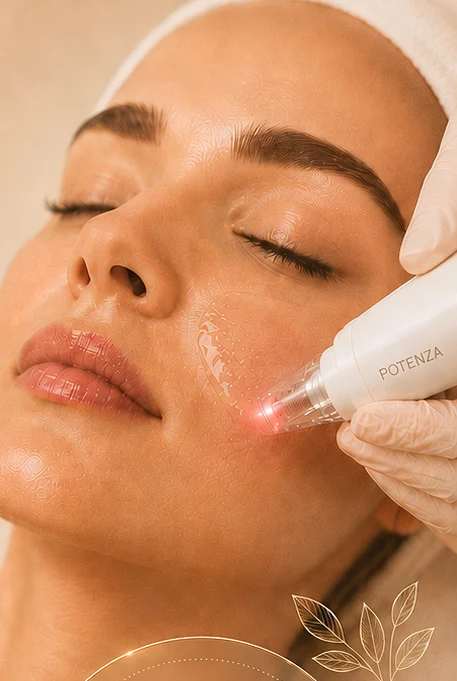
Fractional lasers create small treatment zones across an area and can improve selected features of depressed scars. Conventional microneedling creates small punctures, while radiofrequency microneedling adds thermal energy. Subcision is a clinician-performed procedure intended to release tethering beneath selected depressions. Other focal methods may be considered for particular deep scars. Each has a different recovery, risk profile and target. If a plan includes several methods, ask the clinician to point to the scars each step is meant to change and which step can wait.
A person deciding between fractional CO₂ resurfacing and RF microneedling should discuss more than the number of appointments. How important is downtime? Is there a history of darker marks after injury, or an area of the face where additional volume loss would be troubling? Could the dominant scars need a focal treatment first? A proposal to treat every square centimetre equally may make little sense if two sharply defined scars account for most of your concern.
How strong is the evidence for visible improvement?
A small controlled fractional CO₂ study used treated and untreated areas within the same patients. It found improvements in the texture and depth of atrophic scars, and patients described improvement rather than complete removal. Comparing areas in one person helps account for differences in healing, although it limits how far the results can be generalized. A separate Cochrane review highlighted small studies, variable scar types and inconsistent ways of measuring results across acne-scar research. Later research adds information, but these limitations still matter when interpreting an individual claim.
If you hear that a scar score improved by a certain percentage, ask what the number represents. It might be a clinician's rating of the whole cheek, a measurement of surface irregularity or the patient's opinion. None is the same as erasing that percentage of your scars. For an example photograph, ask whether the person had a similar scar pattern, how long the skin had healed and whether additional procedures were used. A photograph taken during early swelling may make a depression appear shallower than it will look after recovery.
Scars can look different even between the two sides of the same face. If you are offered treatment in stages, ask your clinician to mark on a photograph which scars the first stage is intended to help. You can then compare those specific areas when healing is complete. If a raised, itchy scar persists along the jaw while shallow cheek scars have softened, the next conversation may be about treating the raised scar separately. This approach also makes it easier to decide whether another session is worth your time.
Plan around your skin and your daily life
Before any procedure, discuss the risks most relevant to the selected technique. These can include infection, burns with energy devices, distressing colour changes and, occasionally, further scarring. Darker skin tones and a history of post-inflammatory pigmentation deserve specific planning. Ask who will perform the procedure, how to care for the skin afterward and which symptoms need prompt attention. Increasing pain, spreading redness, blistering or fever should be assessed. If the expected recovery would conflict with work, travel or an important event, changing the timing is a valid option.
Choose two or three features to follow and photograph them with the same expression, angle and light. At review, discuss the change you notice at a normal distance as well as in close-up. You may be satisfied with softer cheek texture even if a few deep pits remain. Alternatively, a further full-face session may have little value if one remaining scar is the sole concern. Ask for an estimate for the next specific step and the option of stopping. A Markham consultation can help you set those priorities before committing to a series.