Fractional CO₂ laser: choosing the depth of resurfacing and planning recovery
What does fractional treatment mean for your skin?
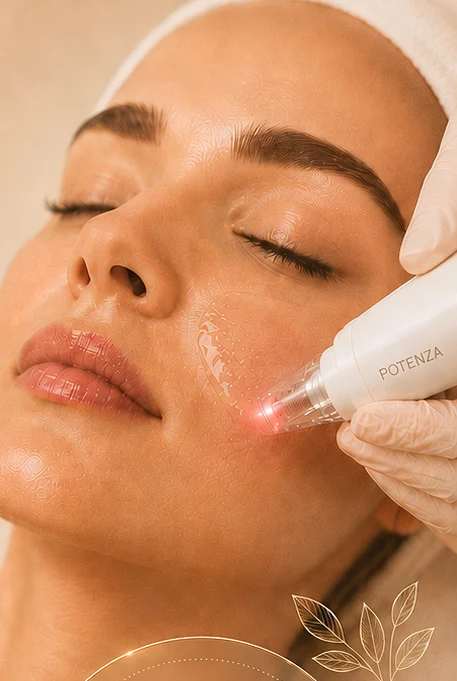
A fractional carbon dioxide laser treats many small columns within a selected area. In ablative treatment, laser energy removes tissue within those columns and produces heat in the surrounding tissue. Untreated skin between the columns helps the surface heal. This is why two people can both have fractional CO₂ treatment and describe quite different experiences. The depth, amount of surface covered, condition being treated and part of the body all affect recovery. Ask the clinician to explain what they intend to achieve at the proposed intensity.
A useful first step is to show the clinician a feature when it is most visible. A shallow depression may cast a shadow in light from the side. A flat brown mark can still be obvious when the front of the face is evenly lit. A fine line around the mouth may remain at rest or appear mainly with movement. A procedure that changes the surface can have a different effect on each of these. A spot that is new, changing, bleeding or slow to heal should receive medical assessment before cosmetic resurfacing is considered.
What a controlled acne-scar trial found
In a randomized study of thirteen people with atrophic acne scars, researchers compared two similar areas in each participant. One area received a series of fractional CO₂ treatments and the other was left untreated. Blinded clinicians observed improvements in scar texture and depth over follow-up, including at six months. Patients generally described mild to moderate improvement in texture. The study helps put a realistic meaning on improvement. A scar can have a softer edge or cast a smaller shadow while remaining visible at normal viewing distance.
The study was small and concerned depressed acne scars. It cannot tell a particular person how one session will affect their upper lip lines, a surgical scar on the chest or a broad patch of pigmentation. A second randomized study compared fractional CO₂ with a non-ablative fractional laser for acne scars. The fact that researchers distinguish these approaches is important when comparing quotes that merely say fractional laser. Ask whether the outer surface will be disrupted and what difference the provider expects that to make for your particular scars.
Where skin tone and healing history matter
Tell the clinician if a minor burn, an insect bite or a blemish tends to leave a dark mark for months. The tendency to develop post-inflammatory pigmentation changes how you might weigh the benefits of resurfacing. Both darker and lighter areas can appear after treatment, and some colour changes persist. A clinician should consider your complexion, recent sun exposure, the body site and your previous responses. Ask about their experience treating people who share your skin characteristics and about alternatives if pigment change is your main concern.
Bring a list of previous laser treatments, peels and medications, including isotretinoin, topical retinoids and products used for acne. Mention a history of cold sores, raised scars, slow healing or immune suppression. A clinician can consider antiviral prevention when appropriate and advise whether to delay treatment for active infection or an eruption. Stopping a prescribed medicine can itself carry risks. Coordinate any change with the prescriber. If you have had a procedure under another brand name, the date, area and recovery are usually more informative than the name alone.
Plan the days when the surface is healing
Before booking, ask what care the treated skin will require in the first few days and who will provide written instructions. Depending on the depth and coverage, it may be swollen, sensitive, ooze or develop crusting. The point at which new skin covers the treated area and the point at which you feel comfortable appearing on camera may be different. Colour changes can linger after the surface closes. Discuss your work, mask or protective-equipment requirements and any planned travel before choosing the date.
Think through an ordinary morning after the procedure. Can you cleanse the area as instructed, protect it from sun exposure and avoid friction on your commute? If the answer depends on using makeup immediately, ask the clinician when makeup can safely be restarted. Clarify the recommended cleanser, dressing or skin protectant and whether to pause exfoliants and retinoids. Buying several new active products is rarely a solution to uncertainty about aftercare. Ask which product does which job and for how long you need it.
Distinguish normal recovery from a complication
Have a clear contact plan before you leave. Some warmth, tenderness and redness may fit the expected course. Pain that is getting worse after initially settling, spreading redness, pus, fever or a new crop of blisters deserves prompt medical advice. A history of cold sores is especially relevant if painful grouped blisters appear. Avoid pulling at crusts or covering an unexplained reaction with leftover prescription creams. Advise the treating team when symptoms began and whether they affect the whole treated area or just one patch.
A scheduled follow-up is a good time to discuss changes that are less urgent but still matter, such as persistent discolouration, a raised area or a change in texture. Note when the finding appeared and bring photographs if it is intermittent. If your skin has developed a pigment change, ask how that affects the timing of any repeat procedure. Scheduling the next session simply because it was included in a package may give too little time to understand how your skin responded to the first one.
If the treatment is close to the eyes, ask what protection is planned for the specific location. Tell the clinician about eye problems or earlier eyelid surgery and explain if the skin you want treated is on the lid itself. The cheek below the eye and the eyelid are different anatomical sites. A general full-face quote should not leave you uncertain about which area is included, whether special precautions are needed or whether a separate specialist assessment would be more appropriate.
Choosing a fair comparison and a sensible stopping point
Use the same lighting, camera angle and facial expression before and after treatment. If your main concern is a cheek depression, side lighting should illuminate the same side on each occasion. If your concern is fine lines, compare a relaxed face with a relaxed face. Early swelling can temporarily soften an indentation, so ask when the clinician expects a meaningful comparison. Judge the appearance at an ordinary distance as well as in a close-up. An enlarged phone image can reveal details you never noticed in daily life.
Ask before booking what is included in the estimate, whether the entire face or a limited area is planned, and how aftercare and follow-up are arranged. Discuss alternatives such as targeted scar treatment, a less intensive resurfacing approach, or postponing until you can accommodate recovery. The clinic's guide to laser resurfacing options explains how ablative and non-ablative choices differ. At a Markham consultation, bring your own photographs and ask which part of the change is likely to remain visible even after a good response.