Considering Potenza for uneven skin or acne scars
Which features of an acne scar could change?
Look at a healed acne mark in ordinary daylight. A flat brown or red area can be noticeable even when the skin feels smooth. A depressed scar casts a shadow that moves when you turn your face. Sometimes one mark has both a colour change and a depression. Potenza is a form of radiofrequency microneedling. Research into this family of devices includes treatment of depressed acne scars. A consultation should identify which features you have before discussing whether a procedure would improve the one that bothers you most.
Bring a photograph that captures the problem as you see it in daily life. Overhead bathroom lighting may bring out a depression that disappears in a softly lit portrait. Ask the clinician to point out shallow scars, deeper pits and areas that seem tethered underneath. One approach may soften the edges of some scars while leaving others quite visible. If you still develop painful or inflamed breakouts, ask how to manage them first. Preventing new scars and improving the texture of old ones are separate decisions.
What radiofrequency adds to microneedling
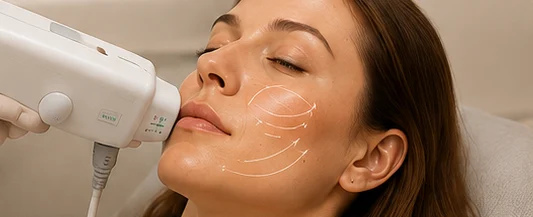
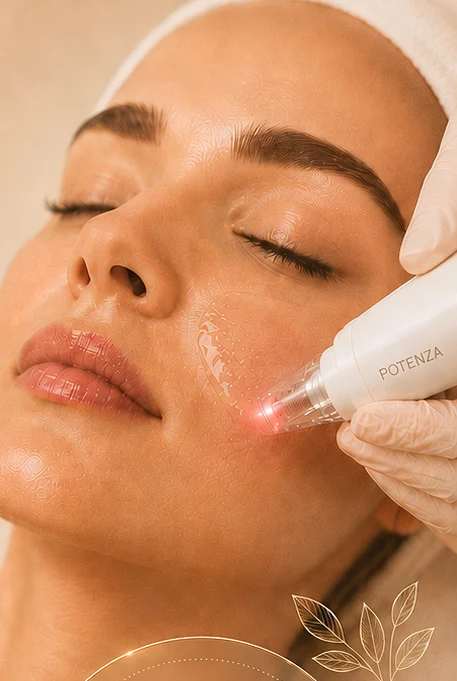
Conventional microneedling makes small punctures in the skin. An RF microneedling system uses electrodes to deliver electrical energy while the needles are in the tissue. The resulting localized heat changes the tissue response as it heals. This distinction matters if you have had ordinary microneedling before and are assuming the recovery and risks will be identical. Potenza is one device within this category. Health Canada lists the Potenza fractional RF microneedle electrosurgical unit as a Class III device. The exact purpose and site proposed still matter for individual consent.
The areas of the face differ in their thickness and underlying structure. Someone asking about a cheek scar may also be concerned about already hollow temples. Make those priorities explicit before agreeing to a treatment area. Ask the provider to show which areas they would leave alone and why. A strong response in an unwanted location is not a benefit. The aim should be a change in the selected skin feature with an acceptable risk to the surrounding tissue. More energy, more passes or a larger treated area cannot be assumed to produce a better outcome.
What published studies can tell you
A systematic review of fractional RF microneedling used on its own for acne scars included sixteen studies and 481 patients. The authors gathered several types of studies, including randomized trials and observational reports. Such evidence helps explain why clinicians discuss this option for atrophic scars. It does not establish that every device, treatment site or scar behaves alike. Before-and-after improvements in a small study also tell you little about an uncommon complication that might only become apparent after the procedure is used in a much larger population.
A randomized split-face study looked at alternating fractional laser and RF microneedling for acne scars. When researchers compare two sides of the same face, factors such as age and general healing ability are held relatively constant. Even then, the comparison answers the question the investigators actually asked about that particular treatment plan. It cannot show that adding a laser or buying a combination package is appropriate for every patient. Ask what improvement is expected from the first intervention alone and what finding would justify a second one.
Medical history and skin tone matter
Tell the provider if you have developed dark marks or raised scars after acne, piercings, injury or a prior procedure. Bring a list of medicines and details of previous treatments in the area, including fillers, surgery, lasers and earlier RF sessions. Mention cold sores, skin infection, problems healing wounds and any implanted electronic device. Ask the provider to check your circumstances against the instructions for the equipment being used. An explanation tailored to your history is more meaningful than an assurance that a procedure suits every skin type.
Past photographs can be particularly helpful if you have had a complication before. A bump that resolved within days and a pigment change that lasted six months carry different implications for your plans. Tell the clinician how long each change took to settle and whether it needed medical treatment. If dark marks are currently your main concern, discuss an approach directed at the pigment. RF microneedling is an elective treatment, so it is reasonable to choose a gentler option or postpone treatment when the expected benefit is small.
Why the Canadian safety notice matters
In January 2026 Health Canada drew attention to reports of serious harm associated with certain uses of RF microneedling. The US FDA has described burns, scarring, unintended fat loss, changes in appearance and nerve injury, with some people needing further medical or surgical care. These are reports about a device category. They do not provide an individual risk estimate or a Potenza-specific complication rate. Discuss which harms are relevant to your treatment site and what arrangements the provider has for assessment if something does go wrong.
Ask who will perform the procedure, what experience they have with your skin concern and how to get medical help after you leave. Temporary redness and tenderness can occur, but severe or increasing pain, blistering, spreading redness, weakness or persistent altered sensation warrants prompt medical advice. If the face develops a new hollow or an area changes contour later, record where it is and when you noticed it. Contact the treating team for an examination before having another session in the area.
A practical way to judge a result
Choose one or two scars to follow in addition to an overall view of the cheek. Take baseline photographs before numbing cream, redness or swelling changes the appearance. Use the same light, camera distance and facial expression when comparing them later. Immediate puffiness may temporarily make scars look shallower. Ask when the clinician expects swelling to settle and when a more meaningful assessment is possible. A less obvious scar edge in side lighting may be a worthwhile outcome even if the scar remains visible close up.
Finally, ask for a written estimate that names the area, the proposed number of appointments and the point at which you can reassess. Identify the next step if you see little improvement, cannot tolerate the treatment or no longer want to continue. Alternatives can include treatment aimed at particular scars, a different resurfacing method or leaving stable scars alone. The clinic's erbium laser resurfacing guide explains a laser approach and its recovery. Bring your questions to a consultation so the discussion starts with your own skin and priorities.
Sources and further reading
- Health Canada — RF microneedling safety brief, January 2026
- Health Canada — Potenza device licence listing
- US FDA — Safety communication on certain uses of RF microneedling
- Fractional radiofrequency microneedling as monotherapy for acne scars — systematic review
- Fractional laser and RF microneedling for acne scars — randomized split-face study