
IPL photofacial for red vessels and brown spots: deciding what light can target
Look at the colour change before you choose the treatment
A photograph taken after a summer outside can show several things at once: scattered brown spots across the cheeks, small red vessels beside the nose and a deep line that casts a shadow near the mouth. Intense pulsed light, or IPL, may be considered for selected pigment and vascular changes. Those three features do not respond alike. At a consultation, point to the mark you actually want to improve. If there are several, ask the clinician to identify which are suitable for treatment and which should be left alone or examined further.
Bring an older photograph if you have one. A long-standing freckle-like spot, a patch that darkens every summer and a newly changing isolated lesion can require quite different decisions. Tell the clinician if any spot itches persistently, bleeds, grows or changes shape or colour. Such a lesion needs a medical assessment before cosmetic light treatment. Lightening the surface colour is not a reliable way to determine what the lesion was, and a diagnosis may matter more than its appearance.
How a flash of light selects its target
An IPL device emits a range of wavelengths. Filters and other device choices allow a clinician to direct part of that light toward particular targets. Melanin in a pigmented area and haemoglobin in a small blood vessel absorb light differently. The heat generated can affect those structures. The surrounding skin also contains melanin, which helps explain why the same treatment can carry different risks depending on your complexion, the target and recent tanning. Ask the provider to explain how the intended target is distinguished from the skin around it.
IPL is sometimes grouped with lasers in clinic menus. A laser generally uses a particular wavelength, while IPL delivers filtered broad-spectrum light. A CO₂ resurfacing laser addresses tissue at the skin surface through a very different mechanism. Someone with visible facial vessels may reasonably discuss IPL, while someone concerned mainly about depressed acne scars may need to consider an entirely different approach. The name photofacial is broad enough that you should ask exactly what feature the proposed appointment is designed to treat.
What the split-face evidence found
In a randomized clinical study published in a dermatology journal, participants received IPL on one side of the face so investigators could compare the two sides. Irregular pigmentation and small visible vessels responded more favourably than wrinkles. The evaluators found no improvement in wrinkles in that study. Some texture changes seen on clinical examination could not be demonstrated in photographs. If wrinkles are your principal concern, a package described as rejuvenation may therefore deliver a result in a feature you did not particularly want treated.
Another split-face study compared IPL with a pulsed dye laser for facial telangiectasia, the fine visible vessels people sometimes call broken capillaries. Such a study can help a clinician discuss a specific vascular concern. It does not establish that one light source will suit every person who experiences flushing. A face may be persistently red, intermittently flushed or marked by individual vessels. Ask which of those changes the provider expects to influence. If flushing comes with burning, irritation or frequent outbreaks, a medical skin assessment may be useful first.
Melasma, tanning and the possibility of pigment changes
Broad or symmetrical brown patches on the cheeks or forehead can have a different cause from isolated sun spots. Melasma often needs an ongoing plan that includes protection from light and, when appropriate, topical treatment. Some procedures may aggravate pigmentation in susceptible people. If melasma is suspected, ask whether a dermatologist should assess it before considering IPL. A person who once did well with IPL for a small vessel can still encounter a very different risk when treating an extensive brown patch.
Mention recent sun exposure, tanning beds, artificial tanning products, medicines that increase light sensitivity and any history of darker or lighter marks after inflammation. Brown pigment in recently tanned skin can compete with the target for energy. A provider may advise postponement or an alternative. Ask how your skin tone and previous reactions affect that recommendation. A test spot, when appropriate, provides information about one small area, although it cannot guarantee how the entire region will respond. Agree on what the clinician will look for before proceeding.
What treatment and recovery may feel like
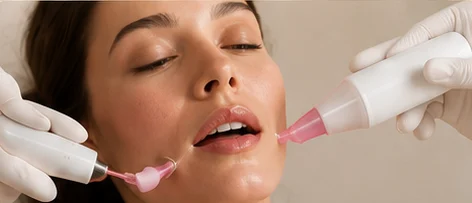
Ask how your eyes will be protected and tell the clinician if the target is close to the eyelid. An uncovered eye should not be exposed to a flash. Brief snapping or stinging sensations and warmth can occur during treatment. Speak up about a sharp focal pain or an unexpected change in sensation. Before leaving, clarify whether mild redness, darkening of an individual spot or swelling is expected, what proportion of the face may be affected and when you should arrange a review.
A treated brown spot may look darker temporarily. Let the treating clinician explain how to care for it and when to restart active products. Avoid picking at crusting. Burns, blistering and lighter or darker pigment changes are possible complications. Increasing pain, blistering, spreading redness, or any eye pain or visual change after a light procedure requires prompt medical assessment. If something unexpected happens, record which area was treated and when the symptom began. A photograph can assist the clinical assessment, especially if the appearance has changed since the first day.
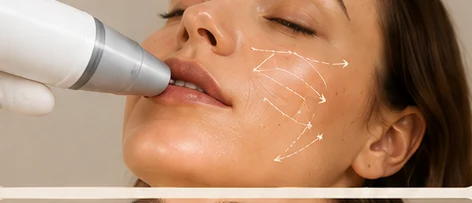
If your concern involves both cheeks, ask whether the proposed coverage includes the full region or individual spots only. Treating a few dark marks can leave the nearby skin looking different, particularly when background sun damage is widespread. Ask how the clinician plans to judge whether the boundaries look natural once any temporary darkening resolves. Also discuss which marks are intentionally being skipped and why. A map or photograph from the consultation can help avoid uncertainty about what was actually treated.
Make a decision the follow-up can actually test
Count or photograph a few identifiable spots, or choose a small group of visible vessels to follow. Use a view with no concealer, similar lighting and the same distance each time. For redness, temperature and recent exercise can alter the comparison. A post-treatment photograph after sitting quietly indoors should not be judged against one taken immediately after a brisk walk. For a brown patch, compare its borders as well as its colour. Decide whether a partial change in that target would justify the number of visits proposed.
If a course includes several visits, ask when you can review the response before committing to the remainder. Find out what will be done if a spot fails to fade, becomes darker or looks different from the others. It may deserve a diagnosis review instead of a stronger repeat treatment. For a change driven by roughness or scarring, the laser resurfacing guide describes another category. Bring your own priority and your usual sun exposure to a skin consultation in Markham so that the plan fits your daily life.